Introduction
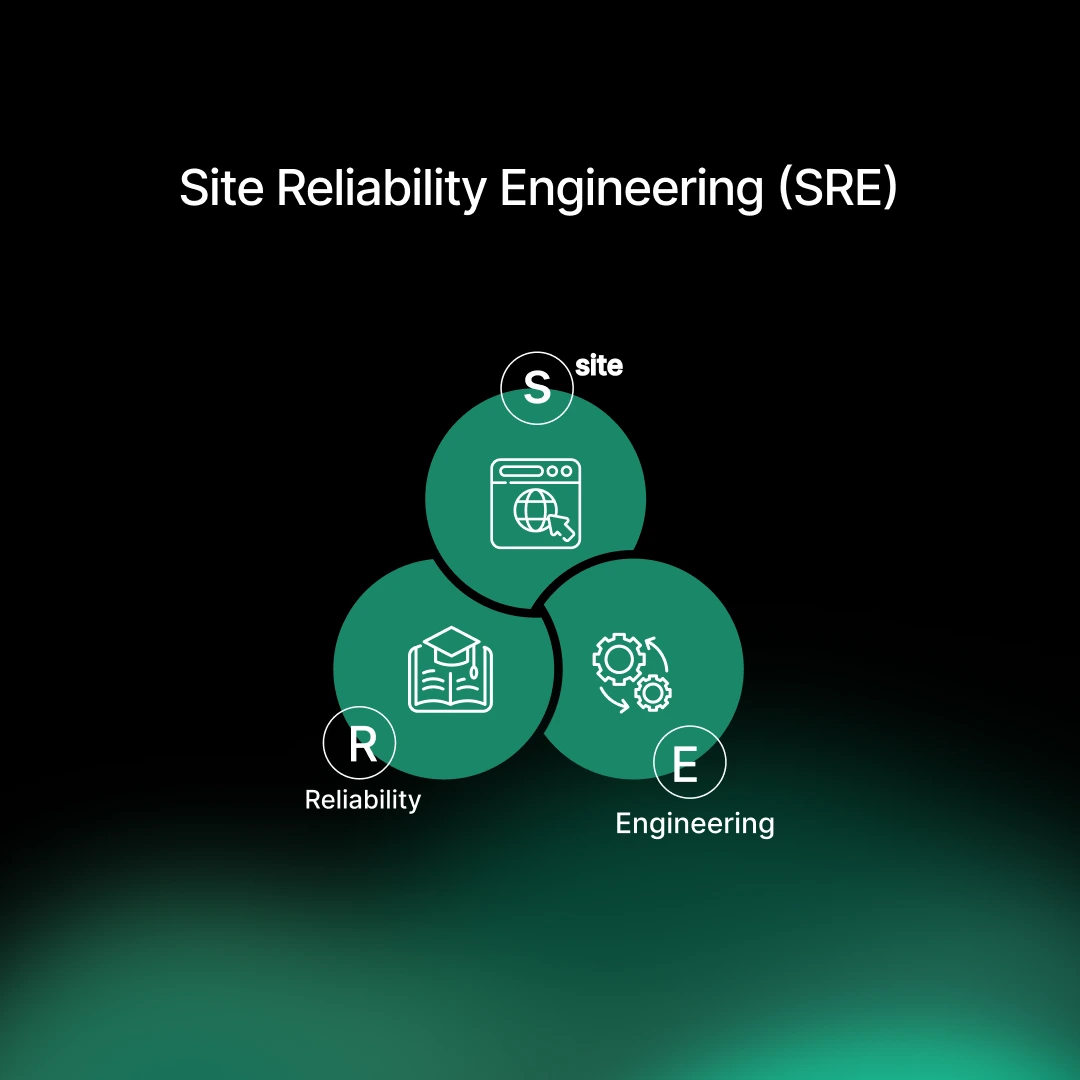
In an era where businesses rely heavily on technology for their operations, ensuring system reliability has become critical. Site Reliability Engineering (SRE) is a groundbreaking approach that merges software engineering and IT operations to create highly scalable and reliable systems. This article delves into what SRE is, its key principles, benefits, how it compares to traditional IT operations, and how organizations can get started with SRE.
What is Site Reliability Engineering?
Site Reliability Engineering (SRE) is a discipline that originated at Google in the early 2000s to bridge the gap between development and operations. The primary goal of SRE is to enhance the reliability, performance, and scalability of systems through automation and software-driven solutions.
Core Definition
- SRE applies software engineering practices to infrastructure and operational challenges.
- It aims to create systems that are not only reliable but also efficient and cost-effective.
The Role of an SRE
Site Reliability Engineers are responsible for:
- Monitoring and improving system reliability.
- Automating repetitive tasks to reduce human error.
- Managing incident response and post-mortem analysis.
- Balancing system reliability with feature development by defining and enforcing service level objectives (SLOs).
Key Principles of SRE
SRE operates on a set of principles that guide its practices and ensure its success. Here are the foundational principles:
1. Embracing Risk
- Reliability cannot be absolute; some level of risk is inevitable and acceptable.
- SRE quantifies acceptable risk through error budgets, which define the allowable amount of downtime or errors within a service level agreement (SLA).
2. Service Level Objectives (SLOs)
- SLOs are specific, measurable targets for service reliability.
- They are derived from service level indicators (SLIs) such as latency, availability, and throughput.
- Meeting SLOs ensures a balance between innovation and reliability.
3. Automating Everything
- Manual processes are prone to errors and inefficiencies.
- Automation is at the core of SRE, reducing toil and improving consistency.
4. Monitoring and Observability
- Effective monitoring and observability are essential to detect, diagnose, and resolve issues quickly.
- Tools like Prometheus, Grafana, and Elasticsearch are commonly used.
5. Incident Management
- SRE emphasizes structured incident management processes, including on-call rotations and post-incident reviews.
- Post-mortems focus on identifying root causes and preventing recurrence, rather than assigning blame.
6. Continuous Improvement
- Systems are regularly reviewed and optimized based on performance metrics and user feedback.
- Blameless post-mortems foster a culture of learning and improvement.
Benefits of Implementing SRE
Adopting SRE practices brings numerous advantages to organizations, including:
1. Enhanced Reliability
- By focusing on metrics like uptime, latency, and error rates, SRE ensures systems are highly reliable and meet user expectations.
2. Faster Incident Resolution
- Structured incident management and automated tooling enable quick detection and resolution of issues.
3. Increased Efficiency Through Automation
- Automating repetitive tasks reduces human intervention, minimizes errors, and frees up resources for strategic initiatives.
4. Improved Collaboration Between Teams
- SRE breaks down silos between development and operations, fostering a collaborative culture and shared responsibility.
5. Cost Optimization
- By defining error budgets and focusing on efficiency, SRE ensures resources are allocated effectively, reducing operational costs.
6. Continuous Delivery and Innovation
- With a strong emphasis on reliability and automation, SRE supports frequent and safe deployment of new features.
SRE vs. Traditional IT Operations
While both SRE and traditional IT operations aim to ensure system reliability, their approaches and focus areas differ significantly.
1. Proactive vs. Reactive
- SRE: Proactively identifies and resolves potential issues through automation and monitoring.
- Traditional IT: Often reactive, focusing on resolving incidents as they arise.
2. Role of Automation
- SRE: Automation is a core principle, reducing manual work and enabling scalability.
- Traditional IT: Relies more heavily on manual processes, which can be slower and error-prone.
3. Collaboration
- SRE: Emphasizes collaboration between development and operations teams.
- Traditional IT: Typically operates in silos, with separate teams handling development and operations.
4. Metrics and Objectives
- SRE: Uses SLOs and error budgets to balance reliability with innovation.
- Traditional IT: Focuses on meeting SLA requirements without necessarily addressing the underlying causes of failures.
5. Cultural Approach
- SRE: Encourages a blameless culture and continuous improvement.
- Traditional IT: May focus on individual accountability and adherence to processes.
Getting Started with SRE
Implementing SRE requires a strategic approach to ensure its success. Here are the steps to get started:
1. Build a Strong Foundation
- Assess your organization’s current processes, tools, and culture.
- Identify gaps that SRE practices can address.
2. Define Reliability Goals
- Collaborate with stakeholders to establish SLOs and SLIs based on user expectations.
- Determine acceptable levels of risk and define error budgets.
3. Invest in Monitoring and Observability
- Implement tools to monitor key metrics and gain insights into system behavior.
- Ensure visibility into all layers of the stack, from infrastructure to applications.
4. Automate Toil
- Identify repetitive and manual tasks that can be automated.
- Use tools like Ansible, Terraform, and Kubernetes to streamline operations.
5. Foster a Collaborative Culture
- Encourage collaboration between development and operations teams.
- Establish clear communication channels and shared responsibilities.
6. Train and Empower Teams
- Provide training on SRE principles, tools, and practices.
- Empower teams to take ownership of system reliability.
7. Conduct Post-Mortems
- Regularly review incidents and identify areas for improvement.
- Focus on root cause analysis and long-term solutions.
8. Iterate and Improve
- Continuously refine processes, tools, and metrics based on performance data and feedback.
- Stay updated on emerging SRE practices and technologies.
Conclusion
Site Reliability Engineering (SRE) represents a transformative approach to managing system reliability and performance. By merging software engineering and IT operations, SRE ensures systems are not only reliable but also scalable and efficient. Its principles of automation, continuous improvement, and collaboration make it a valuable discipline for modern organizations.
As businesses increasingly rely on technology, adopting SRE can provide a competitive edge by enhancing reliability, reducing costs, and fostering innovation. Whether you’re starting from scratch or refining existing practices, the time to embrace SRE is now. By implementing its principles and leveraging the expertise of Site Reliability Engineers, organizations can build resilient systems that meet the demands of today’s digital economy.